
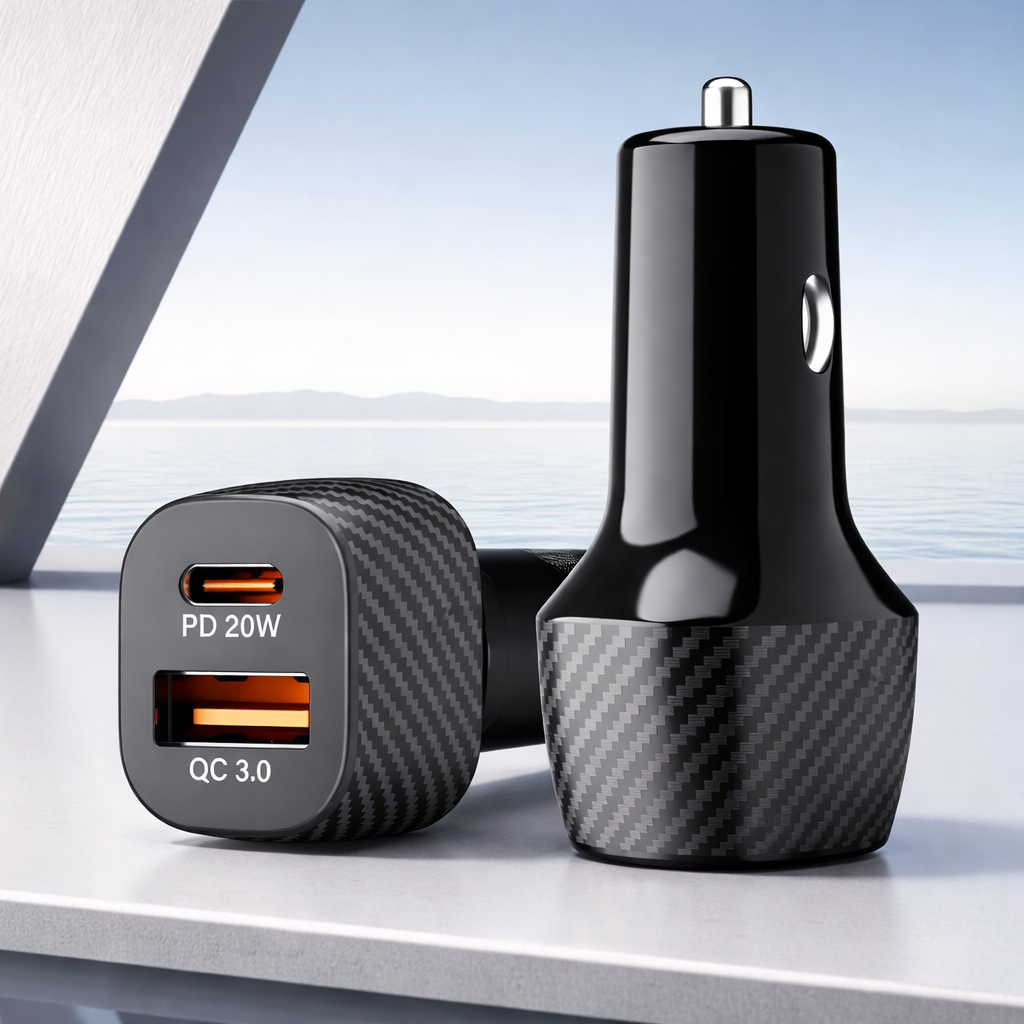
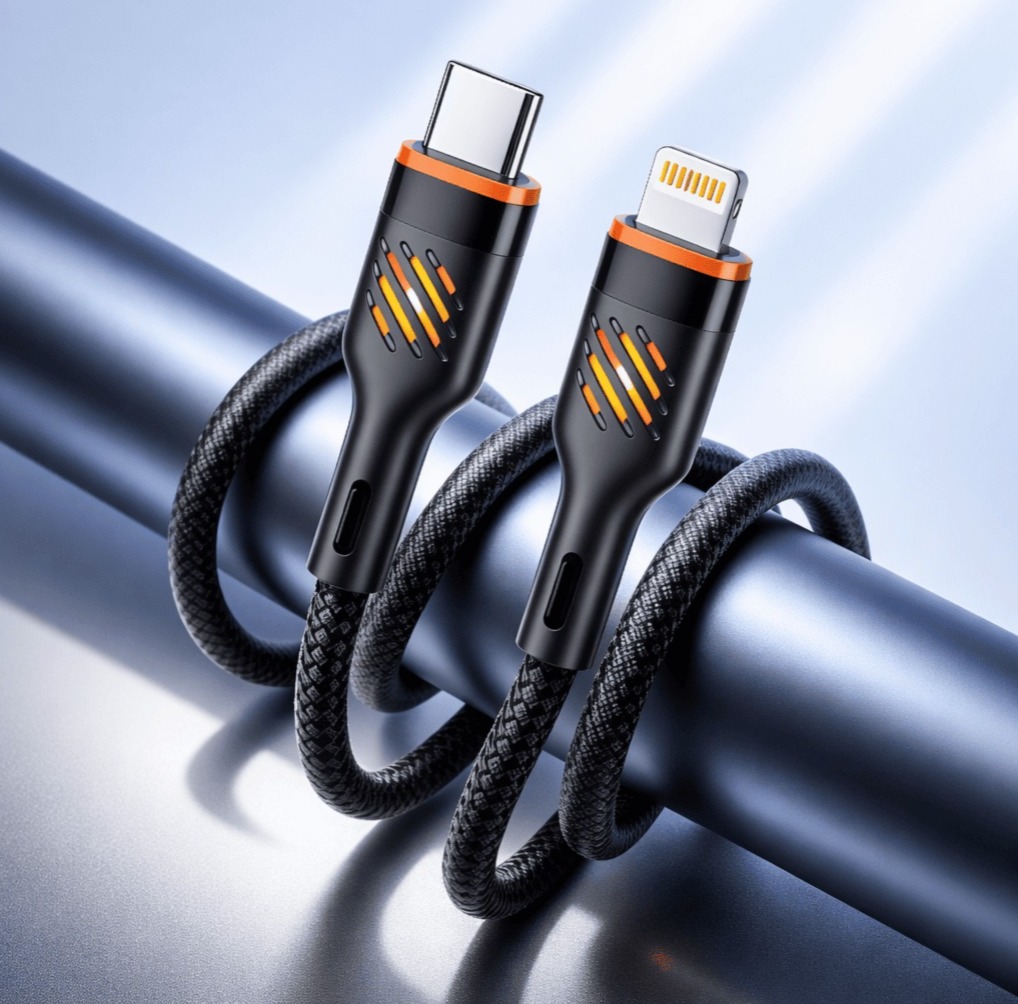





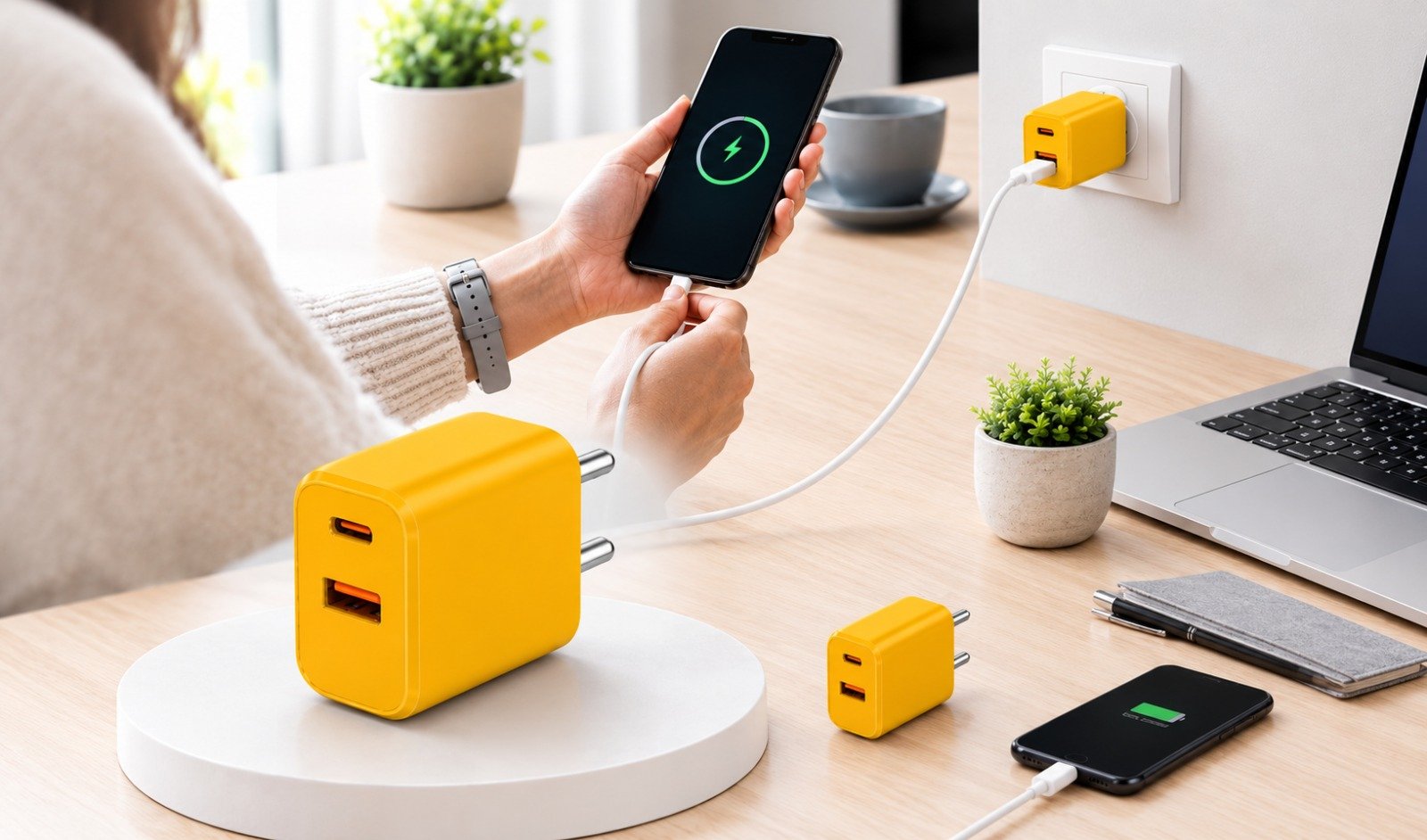
A mobile charger is an essential accessory that we use every day. Whether you are at home, in the office, travelling, or working on the go, having the right charger ensures that your smartphone and other devices remain powered throughout the day. However, with so many chargers available in the market, choosing the right one can sometimes be confusing.
Mobile chargers are available in different wattages, port types, charging technologies, sizes, and designs. Some support fast charging, while others are designed for standard charging. Choosing a charger only because it has a higher wattage may not always provide better results. Your smartphone, charging cable, and charger should be compatible with each other.
In this guide, we will explain everything you need to know about choosing the right mobile charger, including charging speed, wattage, USB ports, fast-charging technology, cable compatibility, safety features, and important factors to consider before buying.
What Is a Mobile Charger?
A mobile charger is a power adapter that converts electrical power from a wall socket into a suitable form that can be delivered to a smartphone or another compatible electronic device through a charging cable.
Modern mobile chargers are designed to provide different levels of power depending on the connected device. A smartphone communicates with a compatible charger and can regulate how much power it draws based on its charging requirements.
This means that buying a charger with a higher power rating does not necessarily mean that your smartphone will charge at that maximum speed. The phone, charger, cable, and charging protocol all work together to determine the actual charging performance.
Why Choosing the Right Charger Matters
Using a compatible and reliable charger can make everyday charging more convenient. The right charger should provide the power your device requires while supporting the appropriate charging technology and safety features.
An unsuitable or poor-quality charger may provide slower charging or may not support the charging capabilities of your smartphone.
When choosing a mobile charger, consider:
- Smartphone compatibility
- Power output
- Charging technology
- USB port type
- Cable compatibility
- Safety protections
- Number of ports
- Charger size and portability
- Build quality
Understanding these factors makes it easier to select a charger according to your requirements.
How Does Charger Wattage Work?
One of the most important specifications of a charger is its wattage.
Wattage represents the amount of electrical power a charger can provide. It can be calculated using the basic formula:
Power (W) = Voltage (V) × Current (A)
For example:
- 5V × 2A = 10W
- 9V × 2A = 18W
- 9V × 3A = 27W
Modern fast chargers can provide significantly higher power levels than traditional chargers. However, the actual charging speed depends on whether the smartphone supports the charger’s output and charging protocol.
For this reason, always check your smartphone manufacturer’s specifications before selecting a charger.
What Is Fast Charging?
Fast charging is a technology that allows compatible devices to charge more quickly than conventional charging methods.
Different smartphone manufacturers and charging systems use different fast-charging technologies. USB Power Delivery (USB-PD), for example, is a widely used charging standard, while some manufacturers use their own charging protocols.
Fast charging can be useful when you need to recharge your smartphone quickly before leaving home, during a busy working day, or while travelling.
However, several factors can affect the actual charging speed:
- Smartphone model
- Battery condition
- Charger wattage
- Charging protocol
- Cable specifications
- Battery temperature
- Current battery level
Therefore, a fast charger should be selected based on your smartphone’s supported charging specifications rather than simply choosing the charger with the highest wattage.
USB-A vs USB-C Chargers
The type of USB port is another important consideration.
USB-A Chargers
USB-A has been commonly used in mobile chargers for many years. Many existing charging cables still use a USB-A connector on the charger side.
USB-A chargers can be suitable for users who already have compatible USB-A charging cables or accessories.
USB-C Chargers
USB-C has become increasingly common in modern smartphones and charging accessories. Depending on the charger and device, USB-C can support modern charging standards and higher power delivery.
USB-C chargers are particularly useful for newer devices and accessories that support USB-C charging.
Before buying a charger, check which connector your charging cable requires.
Why Your Charging Cable Is Important
A charger and smartphone are only part of the charging setup. The charging cable can also affect charging performance.
For example, if your charger supports a particular power output but your cable is not designed to handle the required power or charging protocol, the device may not charge at the expected speed.
Therefore, always consider:
Smartphone + Charger + Cable
These three components should be compatible with each other.
When purchasing a fast charger, make sure the cable you use is also appropriate for the charging requirements of your device.
Important Mobile Charger Safety Features
Safety is an important factor when selecting a charger.
A quality charger may include different protection mechanisms designed to help protect the charger and connected device from certain electrical conditions.
Common protection features include:
Over-Voltage Protection
Helps protect connected devices against excessive voltage conditions.
Over-Current Protection
Helps manage excessive current conditions.
Short-Circuit Protection
Helps reduce risks associated with electrical short circuits.
Over-Temperature Protection
Helps manage excessive temperature during operation.
Surge Protection
Helps provide protection against certain sudden voltage fluctuations.
When purchasing a mobile charger, look at the manufacturer’s specifications and available safety certifications rather than choosing a charger based only on its price.
Should You Buy a High-Wattage Charger?
A higher-wattage charger can support higher power delivery, but that does not mean every smartphone will charge faster with it.
For example, if your smartphone supports a maximum charging power of 25W, purchasing a 65W charger does not automatically mean that the smartphone will charge at 65W.
The smartphone controls how much power it accepts.
A higher-wattage charger can still be useful if you want to use the same charger with other compatible devices, but always check compatibility before purchasing.
Single-Port vs Multi-Port Chargers
Your daily charging requirements can help determine whether you need a single-port or multi-port charger.
Single-Port Charger
A single-port charger is useful if you normally charge one smartphone at a time.
It can be a simple option for everyday home, office, or travel use.
Multi-Port Charger
A multi-port charger can be useful if you regularly charge several devices.
For example, you may need to charge:
- Smartphone
- Wireless earbuds
- Smartwatch
- Bluetooth speaker
- Other USB-powered accessories
A multi-port charger can help reduce the number of separate charging adapters you need to carry.
However, check the charger’s total power output and how power is distributed when multiple devices are connected simultaneously.
Choosing a Charger for Travel
If you travel frequently, portability becomes an important factor.
A compact mobile charger can easily fit inside a backpack, laptop bag, handbag, or travel pouch.
For travel, consider a charger that offers:
- Compact design
- Appropriate power output
- Compatible USB ports
- Reliable construction
- Suitable safety features
- Compatibility with your smartphone
A smaller charger can be more convenient when you already have several other accessories in your travel bag.
Why Build Quality Matters
A mobile charger is an electrical accessory that you may use every day, so build quality is an important consideration.
Before buying, look for information about the charger’s construction, specifications, safety features, and manufacturer.
A reliable charger should be designed for regular use and should provide stable performance under normal operating conditions.
Avoid choosing a charger only because it is extremely cheap. Compare its specifications, compatibility, safety features, and brand reliability before making a purchase.
How to Choose a Mobile Charger for Different Users
Different users have different charging needs.
For Everyday Smartphone Users
If you primarily need a charger for regular smartphone charging, choose a charger that matches your phone’s recommended charging specifications.
For Fast-Charging Users
If your smartphone supports fast charging, select a compatible charger that supports the required power level and charging protocol.
For People with Multiple Devices
If you regularly charge a smartphone along with earbuds, a smartwatch, or other accessories, a multi-port charger may be convenient.
For Frequent Travellers
A compact charger with the required charging capability can be easier to carry and store.
For Office Users
A reliable charger with suitable ports can be useful for keeping your smartphone and other USB-powered accessories charged during the working day.
Common Mistakes to Avoid When Buying a Mobile Charger
Many people make purchasing decisions based only on price or wattage. Here are some common mistakes to avoid.
Choosing Only by Wattage
A higher wattage number does not guarantee faster charging if your smartphone does not support that power level.
Ignoring the Charging Protocol
Different devices may require different charging technologies. Always check compatibility.
Using an Incompatible Cable
The cable can affect charging performance, especially with higher-power charging.
Buying Only on the Basis of Price
A low price does not necessarily indicate good value. Check specifications, quality, and safety features.
Ignoring Safety Information
Always check the manufacturer’s stated safety features and certifications where applicable.
Mobile Charger Buying Checklist
Before purchasing a mobile charger, use this simple checklist:
✓ Check your smartphone’s charging specifications.
✓ Check the charger’s wattage and output.
✓ Check whether the charger supports the required charging protocol.
✓ Check whether you need USB-A or USB-C.
✓ Make sure your cable is compatible.
✓ Look for appropriate safety protection features.
✓ Decide whether you need one port or multiple ports.
✓ Consider the charger’s size if you travel frequently.
✓ Check the manufacturer’s specifications and product information.
Why Choose G4Genius Mobile Chargers?
G4Genius focuses on mobile accessories designed for modern everyday users. A mobile charger should offer practical functionality, suitable charging performance, convenient design, and appropriate safety considerations.
Whether you need a charger for everyday smartphone use, fast charging, office use, or travel, selecting the right specifications is important for a convenient charging experience.
G4Genius aims to provide mobile accessories that combine modern design with everyday usability, making them suitable for a wide range of smartphone users.
Explore the G4Genius mobile charger collection and choose a charger according to your device’s charging requirements.
Frequently Asked Questions About Mobile Chargers
1. Does a higher-wattage charger charge every phone faster?
No. The actual charging speed depends on the smartphone’s supported charging power, charging protocol, cable, and other conditions.
2. Is a fast charger safe for smartphones?
A compatible fast charger designed with appropriate protection features can be used according to the manufacturer’s specifications. Always check device and charger compatibility.
3. Does the charging cable affect charging speed?
Yes. The cable can affect charging performance, particularly when using higher-power charging systems.
4. What is the difference between USB-A and USB-C?
USB-A and USB-C are different connector types. USB-C is widely used in modern devices and can support modern charging standards depending on the specific implementation.
5. Should I buy a multi-port charger?
If you regularly charge multiple compatible devices, a multi-port charger can be convenient. Check the total output and power distribution before using multiple ports simultaneously.
6. What wattage charger should I buy?
Choose a charger based on the charging specifications supported by your smartphone and other devices. Check the manufacturer’s recommended specifications before purchasing.
Final Thoughts
Choosing the right mobile charger is about finding the correct combination of compatibility, charging speed, power output, cable support, safety features, and convenience.
Instead of choosing a charger simply because it has the highest wattage or lowest price, first understand your smartphone’s requirements. Then select a charger that supports the appropriate charging technology and provides the power your device is designed to use.
A suitable charger can make everyday charging more convenient, whether you are at home, in the office, or travelling.
Looking for reliable mobile accessories? Explore G4Genius and find the right charging solution for your everyday needs.